

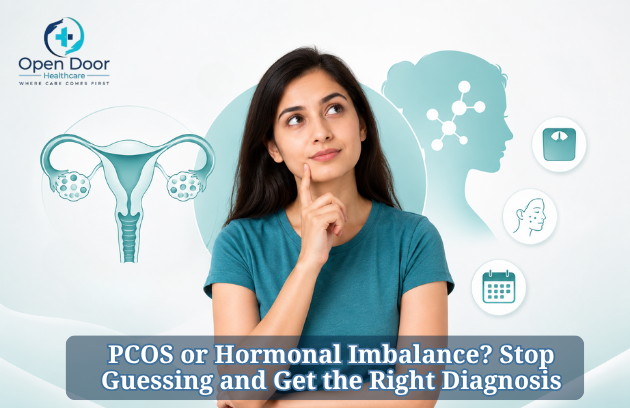
PCOS or Hormonal Imbalance? Understanding the Difference
Many women experience symptoms such as irregular periods, unexplained weight gain, persistent acne, excessive facial hair growth, and fertility challenges at some point in their lives. While these symptoms are often associated with PCOS, they can also indicate a broader hormonal imbalance affecting the endocrine system. As healthcare professionals frequently observe, distinguishing between these conditions requires more than symptom comparison—it requires accurate diagnostic testing and expert medical evaluation.
What Is PCOS and How Does It Affect Women’s Health?
Polycystic Ovary Syndrome (PCOS) is one of the most common hormonal disorders affecting women of reproductive age. According to gynecologists and endocrinologists, PCOS is characterized by elevated androgen levels, ovulatory dysfunction, and, in many cases, polycystic ovaries visible on a pelvic ultrasound. However, similar symptoms may also result from thyroid disorders, insulin resistance, adrenal gland dysfunction, or other endocrine disorders. This overlap makes a hormone profile test and comprehensive women’s health screening essential for an accurate diagnosis.
Diagnostic Tests Used to Identify PCOS and Hormonal Imbalances
In clinical practice, healthcare providers rely on evidence-based diagnostic methods rather than assumptions. Women presenting with menstrual irregularities, infertility concerns, or metabolic symptoms are often advised to undergo specialized investigations. Common tests used in PCOS diagnosis include the AMH test, LH and FSH hormone test, serum testosterone test, fasting insulin test, blood sugar screening, thyroid function test, and pelvic ultrasound scan. These investigations help identify whether symptoms stem from ovarian dysfunction, insulin resistance, thyroid imbalance, or another hormonal condition affecting reproductive health.
Common Symptoms That Should Not Be Ignored
One of the biggest challenges in diagnosing hormonal disorders is that many women normalize their symptoms for years. Persistent acne, irregular menstrual cycles, difficulty losing weight, mood fluctuations, and hair thinning are often dismissed as lifestyle-related issues. However, these symptoms may indicate an underlying endocrine imbalance that requires medical attention. Early detection through fertility evaluation and hormonal assessment can significantly improve treatment outcomes and reduce long-term complications.
Health Risks Associated with Untreated PCOS and Hormonal Disorders
Untreated PCOS is associated with an increased risk of infertility, metabolic syndrome, type 2 diabetes, cardiovascular disease, and endometrial abnormalities. Similarly, untreated hormonal imbalance can impact bone health, reproductive function, mental well-being, and overall quality of life. This is why healthcare experts recommend comprehensive hormone testing rather than relying solely on symptom-based self-diagnosis.
Why Accurate Diagnostic Testing Matters
Advanced diagnostic facilities play a critical role in ensuring accurate and timely results. Whether a patient requires a hormone profile test, fertility testing, pathology services, or specialized tissue analysis, choosing the Best diagnostic center for biopsy in GK 1 can help ensure reliable reporting and expert clinical support. Access to quality diagnostics allows physicians to develop personalized treatment plans based on scientific evidence rather than assumptions.
Treatment Options for PCOS and Hormonal Imbalance
The good news is that both PCOS and hormonal imbalance can often be effectively managed through a combination of medical treatment, lifestyle modifications, nutritional guidance, and regular monitoring. The first step, however, is obtaining the right diagnosis through evidence-based screening methods such as reproductive hormone testing, metabolic assessment, pelvic ultrasound imaging, and thyroid evaluation.
When Should You Seek Professional Medical Advice?
If you have been experiencing irregular periods, hormonal acne, unexplained weight gain, excessive hair growth, or fertility concerns, don’t rely on guesswork. A thorough women’s health screening can identify the root cause of your symptoms and help you receive the most appropriate treatment. Early diagnosis remains one of the most important factors in protecting your reproductive health, hormonal balance, and long-term well-being.